
🌿 Bonsai Tree Fertilizer JWH-018: The Complete Guide to Uses, Effects, and Legal Status
What Is Bonsai Tree Fertilizer JWH-018? Effects, Uses & Legal Status. Explore the truth about Bonsai Tree Fertilizer JWH-018, its origins as a synthetic cannabinoid, effects, legal status, and where to buy JWH-018 online safely.
What is bonsai tree fertilizer JWH-018? It is a synthetic cannabinoid originally developed for research that gained notoriety when marketed as a plant growth enhancer. Today it remains a subject of scientific study and legal scrutiny worldwide.
High-purity JWH-018 powder available at Research Chemicals shop—RCChemsupply—for academic and forensic research applications
What is bonsai tree fertilizer JWH-018?
JWH-018 is a synthetic cannabinoid from the naphthoylindole family that acts as a full agonist at both CB1 and CB2 cannabinoid receptors.
The term “Bonsai Tree Fertilizer JWH-018” emerged as a legal loophole in the late 2000s when vendors began selling this research chemical under the guise of plant food. Despite its name, JWH-018 has no legitimate horticultural use. It was first synthesized in 1995 by organic chemist John W. Huffman at Clemson University for studying the endocannabinoid system.
As a full agonist at cannabinoid receptors, JWH-018 binds with significantly higher affinity than THC, the primary psychoactive compound in cannabis. This increased potency contributes to its more intense and unpredictable effects.
What does JWH-018 look like?
JWH-018 typically appears as a white or off-white crystalline powder with a molecular formula of C₂₄H₂₃NO and CAS number 209414-07-3.
In its pure form, it is a fine powder that can be dissolved in organic solvents but is insoluble in water. When sold as bonsai fertilizer, it was often mixed with inert plant material or presented as a liquid solution, though these presentations were merely disguises for human consumption.
What is the chemical structure of JWH-018?
JWH-018 has the IUPAC name 1-pentyl-3-(1-naphthoyl)indole, consisting of an indole ring linked to a naphthoyl group via a pentyl chain.
This structure allows it to bind effectively to cannabinoid receptors in the brain and body. The naphthoylindole family, to which JWH-018 belongs, was specifically designed to explore the structure-activity relationships of cannabinoid compounds.
The Importance of Bonsai Tree Fertilizer Jwh-018
Fertilizing bonsai trees is crucial for several reasons. Firstly, it provides the necessary nutrients that may be lacking in the soil or container. Bonsai trees are confined to small pots, which limits their access to nutrients compared to their counterparts growing in the ground. Fertilizer helps bridge this gap and ensures the bonsai receives a balanced diet of essential elements.
Secondly, fertilizer promotes healthy growth and development. Bonsai trees require a delicate balance of nutrients to thrive. By providing the right fertilizer, you can encourage strong root development, lush foliage, and vibrant flowers or fruits, depending on your bonsai species.
Lastly, fertilizer plays a vital role in maintaining bonsai trees’ overall health and resilience. A well-fed bonsai can resist diseases, pests, and environmental stressors better. It strengthens the tree’s immune system and enhances its ability to recover from pruning or other interventions.
Fertilizer
There are two basic categories of fertilizer , organic and inorganic. Each can take one of two basic forms, liquid and solid.
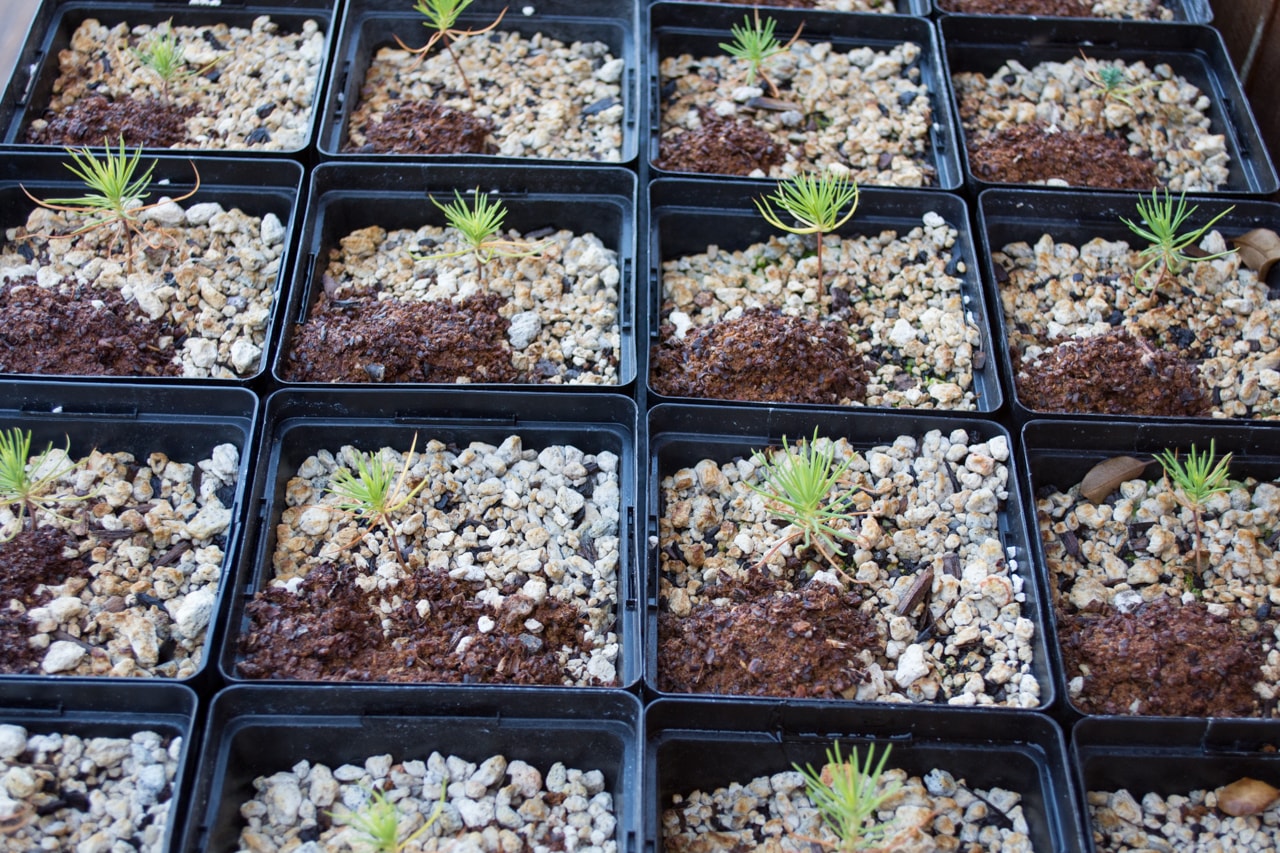
Mounds of cottonseed meal (solid organic fertilizer) on the surface of the soil
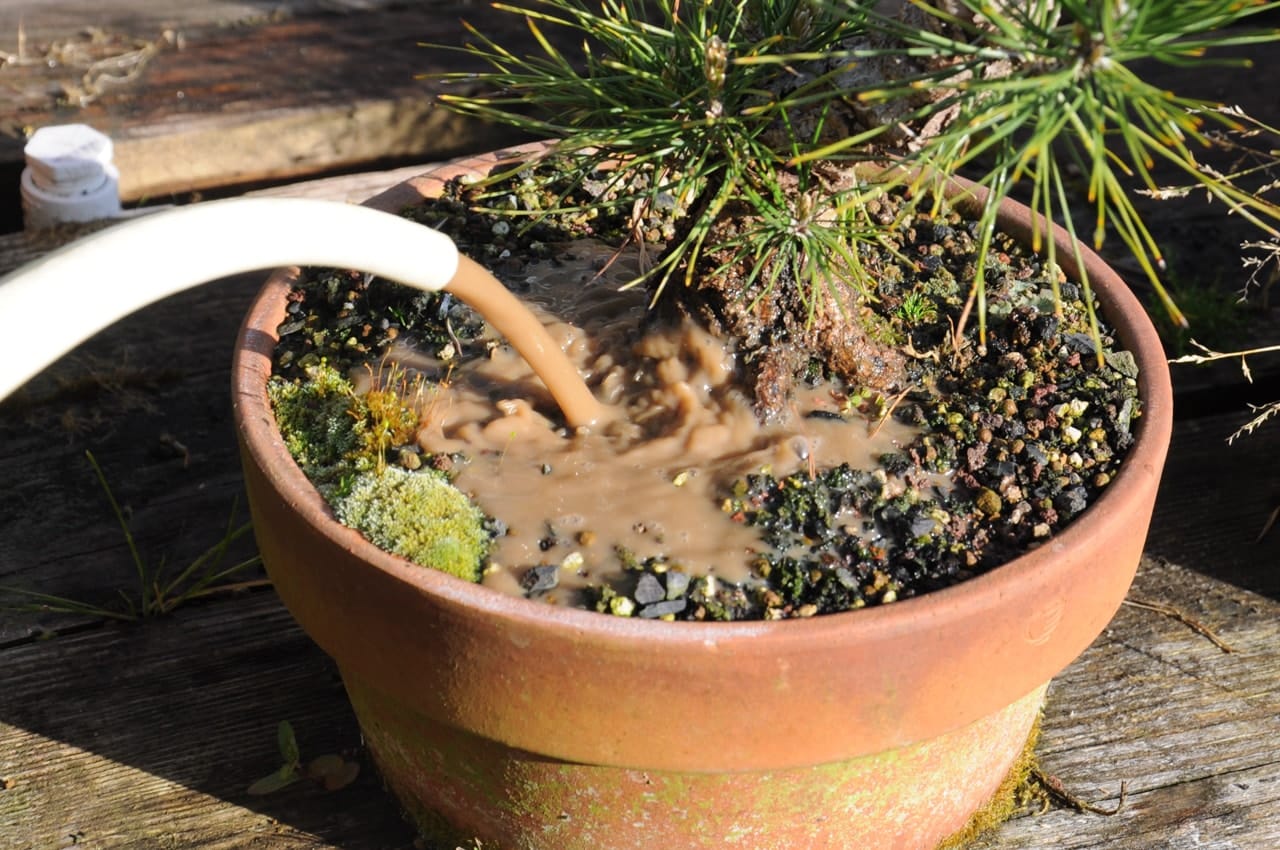
Applying fish emulsion (liquid organic fertilizer)
1. JWH-018: The Powerhouse Fertilizer
Overview: JWH-018 is a synthetic fertilizer known for its powerful nutrient delivery, originally popular in the synthetic cannabinoid industry.
Benefits:
- Enhanced Growth: Stimulates fast and vigorous growth.
- Improved Nutrient Absorption: Unique formulation for better nutrient uptake.
- Disease Resistance: Strengthens the tree’s immune system.
How to Use:
- Formulation: Available in liquid concentrates and slow-release pellets.
- Application: Dilute with water or apply directly to the soil.
- Dosage: Follow manufacturer guidelines to avoid overfertilization.
| Pros | Cons |
|---|---|
| Rapid growth stimulation | Requires careful handling |
| Improved root development | Potential environmental impact |
| Increased disease resistance | Synthetic compound risks |
Caution: Always wear protective gear when handling and follow dosage instructions strictly to prevent damage.
2. HB-101: Japan’s Trusted Organic Option
Overview: HB-101 is a well-known organic fertilizer in Japan, made from natural plant extracts and minerals.
Benefits:
- Eco-Friendly: Organic and safe for the environment.
- Easy to Use: Simple application process.
- Healthy Growth: Promotes robust tree health.
How to Use:
- Formulation: Liquid or spray.
- Application: Apply directly to soil or leaves.
| Pros | Cons |
|---|---|
| Natural ingredients | Slower growth results |
| Environmental safety | It may require more frequent application |
| Improved overall tree health | Higher cost compared to synthetics |
3. Miracle-Gro: The All-Rounder
Overview: Miracle-Gro is a popular choice for gardeners, including bonsai enthusiasts, due to its balanced nutrient mix.
Benefits:
- Balanced Nutrition: Provides essential macro and micronutrients.
- Easy Availability: Widely available in stores and online.
- Versatile Use: Suitable for various plants, including bonsai.
How to Use:
- Formulation: Granules or liquid.
- Application: Mix with water and apply as per instructions.
| Pros | Cons |
|---|---|
| Comprehensive nutrient profile | Risk of overfertilization |
| Convenient and widely available | Chemical-based composition |
| Cost-effective | May not be specialized for bonsai |
4. Biogold: The Premium Organic Fertilizer
Overview: Biogold is a premium organic fertilizer preferred by bonsai professionals for its high-quality ingredients.
Benefits:
- High-Quality Ingredients: Natural and organic.
- Slow Release: Provides consistent nutrient supply.
- Professional-Grade: Trusted by bonsai experts.
How to Use:
- Formulation: Solid pellets.
- Application: Place pellets on the soil surface.
| Pros | Cons |
|---|---|
| Organic and natural | Expensive compared to others |
| Slow and steady nutrient release | It may require more frequent purchases |
| Trusted by experts | Limited availability |
5. Schultz Plant Food: The Budget-Friendly Option
Overview: Schultz Plant Food is an affordable fertilizer that offers good value for money.
Benefits:
- Cost-Effective: Budget-friendly without compromising on quality.
- User-Friendly: Simple to use and widely available.
- Balanced Nutrients: Provides essential nutrients for healthy growth.
How to Use:
- Formulation: Liquid concentrate.
- Application: Mix with water and apply as directed. How to extract JWH-018 from bonsai fertilizer
| Pros | Cons |
|---|---|
| Affordable | Less specialized for bonsai |
| Easy to use | Chemical composition |
| Good for beginners | Frequent application needed |
Bonsai Tree Fertilizer Jwh-018
I ordered 1g of JWH-073 from a reputable website that claimed to have 99% pure products from the USA. JWH is sold as bonsai fertilizer, and you can find it online. How to extract JWH-018 from bonsai fertilizer
The exact recipe for this mixture is a mystery, and there is much speculation about the actual chemicals in the mixture. It is advised that this is a vital fertilizer mix to make house purchases. The first thing I recommend is to try to make the JWH a herbal mixture.
Bonsai tree fertilizer JWH 018 for sale
Bonsai hobbyists, professionals, horticultural experts, and gardeners use miracle fertilizer instead of real bonsai fertilizer. Choose a fertilizer made specifically for bonsai trees, such as 7-7-7 fertilizer. JWH 210 for sale
Organic tree fertilizer consists of maize flour, urea, soybean oil, maize starch, and water. As alternatives to corn syrup, corn flour, and urea can be used as fertilizers for Bermuda grass and soybeans. Buy Jwh-018 Fertilizer
How was JWH-018 discovered?
John W. Huffman synthesized JWH-018 in 1995 while researching compounds that interact with cannabinoid receptors for potential therapeutic applications.
The compound gained widespread attention in 2008 when it was identified as a primary active ingredient in herbal smoking blends marketed as Spice and K2. These products were sold as legal alternatives to cannabis, exploiting gaps in drug legislation at the time.
Why is JWH-018 called bonsai tree fertilizer?
The name Bonsai Tree Fertilizer JWH-018 originated as a marketing strategy to circumvent drug laws by presenting the substance as a plant nutrient.
This mislabeling allowed vendors to sell JWH-018 legally in many jurisdictions. The ruse was particularly common in online marketplaces where the product would be listed with disclaimers like “not for human consumption” despite being intended for that purpose.
What are the effects of JWH-018?
JWH-018 produces cannabis-like effects, including altered perception, euphoria, and relaxation, but with greater potency and more unpredictable outcomes.
According to PsychonautWiki, users report a body high described as a warm, soft, and often full-body tingling sensation. However, adverse effects become increasingly likely with higher doses and may include addiction, severe injury, or death.
How does JWH-018 compare to natural cannabis?
JWH-018 binds to CB1 receptors with approximately five times greater affinity than THC, making it significantly more potent.
While THC is a partial agonist at cannabinoid receptors, JWH-018 is a full agonist, which means it can produce more intense effects. This increased potency also correlates with a higher risk of negative side effects, as documented by the Centers for Disease Control and Prevention.
What are the side effects of JWH-018?
Common side effects include anxiety, agitation, paranoia, hallucinations, increased heart rate, and in severe cases, seizures or psychosis.
The chronic abuse of synthetic cannabinoids like JWH-018 has been associated with multiple deaths and more dangerous side effects and toxicity in general compared to natural cannabis. These risks are well-documented in clinical studies and user reports.
What is the legal status of JWH-018?
JWH-018 is a controlled substance in numerous countries, including the United States, United Kingdom, Germany, Australia, and China.
In the US, it is classified as a Schedule I controlled substance under the Controlled Substances Act, meaning it has no accepted medical use and a high potential for abuse. The Federal Register officially placed JWH-018 into Schedule I in 2012.
Global regulatory map showing controlled status of JWH-018 in various jurisdictions
Where is JWH-018 legal?
The legal status of JWH-018 varies by country, with some nations maintaining strict prohibitions while others have more lenient regulations.
In most Western countries, JWH-018 has been added to lists of illegal narcotics. However, the specific legal framework differs between jurisdictions. For the most current information, researchers should consult local drug control agencies.
Can you buy JWH-018 online?
Yes, JWH-018 can be purchased online from specialized research chemical suppliers for academic and forensic purposes where legal.
At Research Chemicals shop—RCChemsupply—we offer high-purity JWH-018 for qualified researchers. It is crucial to verify the legal status in your jurisdiction before attempting to purchase or possess this substance.
Where to buy JWH-018 for research?
For academic and forensic research, JWH-018 can be obtained from reputable suppliers like Rcchemsupply.
When purchasing research chemicals, always ensure the supplier provides certificates of analysis, proper labeling, and compliance with all relevant regulations. This ensures the integrity of your research and legal compliance.
How to buy JWH-018 online safely?
To buy JWH-018 online safely, verify the supplier’s credibility, check for third-party lab testing, and confirm the product’s legal status in your location.
At RCChemSupply, we maintain strict quality control standards and provide comprehensive documentation for all our products. Our JWH-018 is available in various quantities to suit different research needs.
📊 JWH-018 Chemical Properties and Specifications
| Property | Value | Source |
|---|---|---|
| Chemical Name | 1-pentyl-3-(1-naphthoyl)indole | PubChem |
| Molecular Formula | C24H23NO | PubChem |
| Molecular Weight | 341.46 g/mol | Cayman Chemical |
| CAS Number | 209414-07-3 | Cayman Chemical |
| Purity | ≥98% | Cayman Chemical |
| Appearance | White to off-white crystalline powder | Cayman Chemical |
| Solubility | Soluble in ethanol, DMSO; Insoluble in water | PubChem |
| Storage | Store at -20°C; protect from light and moisture | Cayman Chemical |
Comprehensive chemical profile of JWH-018 for research applications
What is the mechanism of action of JWH-018?
JWH-018 acts as a full agonist at both CB1 and CB2 cannabinoid receptors, with reported binding affinities of 9.00 ± 5.00 nM at CB1 and 2.94 ± 2.65 nM at CB2.
The CB1 receptors are primarily located in the brain and central nervous system, while CB2 receptors are mainly found in the immune system. This dual action explains both the psychoactive effects and the potential immunomodulatory properties of JWH-018.
How is JWH-018 metabolized?
JWH-018 is primarily metabolized by cytochrome P-450 enzymes, specifically CYP1A2 and CYP2C9.
According to DrugBank, these enzymes play a significant role in the primary metabolism of several exogenous cannabinoids, including JWH-018. The major urinary metabolite is a compound that is monohydroxylated on the omega minus one carbon atom of the alkyl side chain.
How long does JWH-018 stay in your system?
JWH-018 can be detected in urine for approximately 3-7 days after use, depending on the dose, frequency of use, and individual metabolism.
Detection windows can vary based on the sensitivity of the testing method and the specific metabolites being targeted. Standard drug tests now include assays to identify common compounds found in synthetic marijuana, including JWH-018.
What is the history of JWH-018 as bonsai fertilizer?
The practice of selling JWH-018 as bonsai fertilizer began in the late 2000s as a legal workaround to distribute the substance for human consumption.
This marketing strategy exploited the fact that drug laws often lagged behind the emergence of new synthetic compounds. The WNC article highlights how this approach created a dangerous synthetic high when the product was used as intended by consumers.
How to extract JWH-018 from bonsai fertilizer?
Extraction of JWH-018 from bonsai fertilizer typically involves solvent extraction followed by purification steps to isolate the active compound.
For detailed procedures, researchers can refer to our comprehensive guide on how to extract JWH-018 from bonsai fertilizer. It is important to note that such activities may be illegal in many jurisdictions and should only be performed in licensed facilities with proper authorization.
What are the dangers of JWH-018?
The dangers of JWH-018 include unpredictable psychoactive effects, potential for addiction, and increased risk of severe adverse reactions compared to natural cannabis.
The European Union Drugs Agency warns that synthetic cannabinoids like JWH-018 have been linked to serious health issues, including psychosis, seizures, and, in some cases, death. These risks are significantly higher than those associated with traditional cannabis use.
📊 JWH-018 vs Natural Cannabis: Key Differences.
| Characteristic | JWH-018 | Natural Cannabis (THC) | Comparison |
|---|---|---|---|
| Receptor Binding | Full agonist at CB1 and CB2 | Partial agonist at CB1 and CB2 | JWH-018 binds more strongly |
| Potency | Approximately 5x more potent than THC | Baseline potency | JWH-018 is significantly stronger |
| Effects Onset | Rapid (minutes when smoked) | Moderate (minutes to hours) | JWH-018 acts faster |
| Duration | 2-4 hours | 2-6 hours | Similar duration |
| Side Effects | Higher risk of anxiety, paranoia, seizures | Generally milder side effects | JWH-018 has more severe risks |
| Detection | Specialized tests required | Standard THC tests | JWH-018 requires specific assays |
| Legal Status | Controlled in most countries | Varies by jurisdiction | JWH-018 is more widely prohibited |
Comparison of pharmacological properties between JWH-018 and natural cannabis
What are the medical research applications of JWH-018?
JWH-018 serves as a valuable tool in studying the endocannabinoid system and developing potential therapeutic compounds.
Researchers use JWH-018 to investigate cannabinoid receptor function, pain modulation, and potential treatments for various conditions. Its well-characterized pharmacology makes it useful for exploring the mechanisms of cannabinoid action.
What are the industrial uses of JWH-018?
Beyond research, JWH-018 has limited industrial applications, primarily in the development of analytical standards and reference materials.
Companies like Cayman Chemical provide JWH-018 as an analytical reference standard for forensic and toxicological testing. These standards are essential for identifying and quantifying synthetic cannabinoids in various samples.
What is the future of JWH-018 research?
The future of JWH-018 research lies in understanding its pharmacological properties and potential therapeutic applications while addressing its safety concerns.
As synthetic cannabinoids continue to emerge, JWH-018 remains an important compound for studying the structure-activity relationships of cannabinoid ligands. This research could lead to the development of safer and more effective cannabinoid-based medications.
📊 Global Legal Status of JWH-018
| Country/Region | Legal Status | Regulating Body | Year of Control |
|---|---|---|---|
| United States | Schedule I Controlled Substance | DEA | 2011 |
| United Kingdom | Class B Drug | Home Office | 2009 |
| Germany | BtMG Anlage II | Federal Ministry of Health | 2009 |
| Australia | Schedule 9 Prohibited Substance | TGA | 2011 |
| China | Controlled Substance | National Narcotics Control Commission | 2015 |
| Canada | Schedule II Controlled Substance | Health Canada | 2012 |
| France | Narcotic | ANSM | 2010 |
| New Zealand | Class C Controlled Drug | Ministry of Health | 2011 |
| Sweden | Narcotic | Medical Products Agency | 2010 |
| Italy | Table I Narcotic | Ministry of Health | 2011 |
Current legal classification of JWH-018 in major jurisdictions as of 2026
What are the common street names for JWH-018?
JWH-018 is known by various street names, including Spice, K2, fake weed, synthetic marijuana, and bonsai fertilizer.
These names often reflect the product’s appearance or marketing rather than its chemical composition. The term “bonsai fertilizer” is particularly notable as it represents the legal disguise under which the substance was often sold.
How is JWH-018 consumed?
JWH-018 is most commonly smoked, either in its pure form or as part of herbal blends, but can also be ingested orally or vaporized.
When sold as bonsai fertilizer, it was typically dissolved in a solvent and sprayed onto plant material, which would then be smoked. This method of consumption allowed for rapid absorption and onset of effects.
What is the dosage of JWH-018?
The effective dose of JWH-018 is significantly lower than that of THC due to its higher potency, with active doses typically ranging from 1-5 mg.
It is crucial to emphasize that JWH-018 has a narrow therapeutic index, meaning the difference between an active dose and a dangerous dose can be small. This makes accurate dosing and harm reduction practices essential.
What are the harm reduction practices for JWH-018?
Harm reduction for JWH-018 includes starting with very low doses, using in a safe environment, and having a sober trip sitter present.
Given the unpredictable nature of synthetic cannabinoids, it is strongly recommended to avoid mixing JWH-018 with other substances. Users should also be aware of the potential for severe adverse reactions and have access to medical assistance if needed.
What are the long-term effects of JWH-018?
The long-term effects of JWH-018 are not well studied but may include cognitive impairment, mental health issues, and potential for dependence.
Chronic use of synthetic cannabinoids like JWH-018 has been associated with more severe withdrawal symptoms and longer-lasting psychological effects compared to natural cannabis. These risks underscore the importance of caution and moderation.
Various formulations of JWH-018 available for research purposes, including powder and liquid forms
What is Bonsai Tree Fertilizer JWH-018 used for?
Bonsai Tree Fertilizer JWH-018 is primarily used as a research chemical to study cannabinoid receptors and the endocannabinoid system.
While marketed under the guise of plant fertilizer, its actual use is in scientific research and, unfortunately, recreational consumption. The compound’s well-characterized pharmacology makes it valuable for investigating the mechanisms of cannabinoid action.
Is JWH-018 safe for human consumption?
No, JWH-018 is not considered safe for human consumption due to its unpredictable effects and potential for severe adverse reactions.
The compound has been linked to numerous health issues, including psychosis, seizures, and, in some cases, death. These risks are significantly higher than those associated with natural cannabis, making its recreational use strongly discouraged.
Choosing the Right Fertilizer for Your Bonsai
Selecting the right fertilizer for your bonsai ensures optimal growth and health. There are various types of fertilizers available, each with its own nutrient composition and release mechanism. Here are some key factors to consider when choosing a bonsai tree fertilizer:
- NPK Ratio: The NPK ratio represents the relative proportions of nitrogen (N), phosphorus (P), and potassium (K) in the fertilizer. Different bonsai species have varying nutrient requirements, so selecting a fertilizer with the appropriate NPK ratio for your specific tree is crucial.
- Slow-Release vs. Liquid Fertilizers: Slow-release fertilizers provide a gradual and continuous release of nutrients over an extended period. They are convenient for busy bonsai enthusiasts as they require less frequent application. On the other hand, liquid fertilizers are quickly absorbed by the roots and provide an immediate nutrient boost.
- Organic vs. Synthetic Fertilizers: Organic fertilizers are derived from natural sources and release nutrients slowly over time. They improve soil structure and microbial activity. Synthetic fertilizers, on the other hand, are chemically formulated and provide an instant nutrient supply. Both types have their advantages, so choose the one that aligns with your preferences and bonsai care routine.
- Trace Elements: In addition to the primary nutrients (N, P, K), bonsai trees also require trace elements such as iron, manganese, zinc, and others. Ensure that your chosen fertilizer contains these essential micronutrients to support the overall health of your bonsai.
How to Apply Fertilizer to Your Bonsai Tree: Fertilizer Jwh-018
Proper application of fertilizer is crucial to ensure that your bonsai receives the nutrients it needs without causing any harm. Here are some guidelines to follow when applying fertilizer to your bonsai:
- Read the Instructions: Always read and follow the instructions provided by the manufacturer. Different fertilizers may have specific application rates and frequency.
- Dilute Liquid Fertilizers: If using liquid fertilizer, dilute it according to the instructions. Applying concentrated liquid fertilizer directly to the bonsai’s soil can burn the roots and cause damage.
- Apply Fertilizer to Damp Soil: Water your bonsai thoroughly before applying fertilizer. This ensures that the fertilizer is evenly distributed and prevents any potential root burn.
- Avoid Fertilizing Newly Repotted Bonsai: After repotting your bonsai, it is best to wait for a few weeks before applying fertilizer. This allows the tree to recover and reduces the risk of root damage.
- Apply Fertilizer to the Soil Surface: Sprinkle the fertilizer evenly on the soil surface, avoiding direct contact with the trunk or foliage. Gently work the fertilizer into the top layer of soil using a chopstick or a small rake.
- Water After Fertilizing: After applying fertilizer, water your bonsai thoroughly to ensure that the nutrients are absorbed by the roots. This also helps to flush out any excess salts from the soil.
Frequency and Timing of Bonsai Fertilization
The frequency and timing of bonsai fertilization depend on several factors, including the type of fertilizer, the species of bonsai, and the time of year. Here are some general guidelines to help you determine when and how often to fertilize your bonsai:
- Spring: As the bonsai enters the growing season, it will require more nutrients to support new growth. Start fertilizing in early spring, once the tree shows signs of active growth. Apply a balanced fertilizer with a higher nitrogen content to promote foliage development.
- Summer: During the summer months, bonsai trees are in full swing, and their nutrient requirements are at their peak. Switch to a balanced fertilizer or one with a slightly higher phosphorus and potassium content to support overall health and flower/fruit development.
- Autumn: As the weather cools down and the bonsai prepares for dormancy, reduce the frequency of fertilization. This allows the tree to gradually slow down its growth and prepare for the winter months.
- Winter: In most cases, it is best to avoid fertilizing bonsai trees during winter. The tree is in a dormant state, and applying fertilizer can stimulate unwanted growth, making it more susceptible to frost damage.
- Frequency: As a general rule, fertilize your bonsai every 2-4 weeks during the growing season (spring and summer) and reduce the frequency to once every 4-6 weeks during the dormant season (autumn and winter).
Remember to adjust the frequency and timing based on the specific needs of your bonsai species and the instructions provided by the fertilizer manufacturer.
Common Mistakes to Avoid When Bonsai Trees
While fertilizing your bonsai is essential, it’s crucial to avoid some common mistakes that can harm your tree. Here are a few mistakes to avoid:
- Overfertilization: Applying too much fertilizer or fertilizing too frequently can lead to salt buildup in the soil, which can burn the roots and damage the tree. Always follow the recommended dosage and frequency.
- Underfertilization: On the other hand, underfertilizing your bonsai can result in nutrient deficiencies and poor growth. Ensure that your tree receives an adequate supply of nutrients throughout the growing season.
- Fertilizing Sick or Weak Trees: If your bonsai is sick or weak, it is best to focus on addressing its health issues before applying fertilizer. Fertilizer is not a cure-all and may not solve underlying problems.
- Using the Wrong Fertilizer: Using the wrong type of fertilizer or applying the wrong NPK ratio can lead to imbalanced growth or nutrient deficiencies. Always choose a fertilizer that is suitable for your bonsai species and its specific needs.
Troubleshooting: Signs of Overfertilization and Underfertilization
It’s essential to monitor your bonsai for any signs of overfertilization or underfertilization. Here are some common signs to look out for:
Overfertilization:
- Leaf burn or discoloration
- Wilting or drooping foliage
- Stunted growth
- Salt buildup on the soil surface
Under fertilization:
- Pale or yellowing leaves
- Weak or spindly growth
- Lack of vigor or vitality
- Poor flowering or fruiting
If you notice any of these signs, adjust your fertilization routine accordingly. Flush the soil with water to remove excess salts in the case of overfertilization, and increase the frequency or dosage of fertilizer in the case of underfertilization.
Can I use regular plant fertilizer for my bonsai?
While regular plant fertilizer may contain the necessary nutrients, it is best to use a fertilizer specifically formulated for bonsai trees. Bonsai fertilizers are designed to release nutrients slowly and provide the right balance of elements for optimal growth.
Can JWH-018 be detected in drug tests?
Yes, JWH-018 can be detected in specialized drug tests that target synthetic cannabinoids.
While early synthetic cannabinoids evaded standard urine tests, modern detection methods have caught up. Urine tests now screen for metabolites of compounds like JWH-018 and AM-2201, with detection windows spanning 3-7 days post-use.
What is the difference between JWH-018 and JWH-073?
JWH-018 and JWH-073 are both synthetic cannabinoids from the naphthoylindole family, but JWH-018 has a pentyl side chain while JWH-073 has a butyl side chain.
This structural difference results in JWH-018 having higher potency at cannabinoid receptors compared to JWH-073. Both compounds were identified in various spice and K2 products and are now controlled substances in many countries.
Where can I find more information about JWH-018?
More information about JWH-018 can be found in scientific literature, drug databases, and specialized research chemical resources.
Reputable sources include PsychonautWiki, Wikipedia, Cayman Chemical, and PubChem. For research purposes, our Rcchemsupply blog also provides valuable insights.
🎯 Key Takeaways
- JWH-018 is a synthetic cannabinoid from the naphthoylindole family, first synthesized in 1995 by John W. Huffman
- The term “Bonsai Tree Fertilizer JWH-018” originated as a legal loophole to sell the substance for human consumption
- JWH-018 acts as a full agonist at both CB1 and CB2 cannabinoid receptors with higher potency than THC
- It is associated with more intense and unpredictable effects, including a higher risk of adverse reactions
- JWH-018 is a controlled substance in most countries, including the US, UK, Germany, and Australia
- For research purposes, JWH-018 can be purchased from reputable suppliers like Rcchemsupply
- The compound has valuable applications in studying the endocannabinoid system and developing potential therapeutic compounds
🛒 Ready to Explore JWH-018 for Research?
At Rcchemsupply, we provide high-purity JWH-018 for academic and forensic research applications. Our products undergo rigorous quality control to ensure consistency and reliability for your studies.
Buy JWH-018 online today and join the forefront of cannabinoid research. For those interested in alternative formulations, we also offer JWH-018 spray for sale.
For more information about synthetic cannabinoids, check out our comprehensive guides on:
- What is JWH-018?
- How to extract JWH-018 from bonsai fertilizer
- Buy JWH-018 fertilizer
- Where to buy JWH-018 in stores
Disclaimer: This article is for informational purposes only and does not constitute medical or legal advice. JWH-018 is a controlled substance in many jurisdictions. Always comply with local laws and regulations regarding the possession, use, and distribution of research chemicals. Our products are intended solely for academic, forensic, and scientific research purposes and are not for human consumption.